
Construction PPE compliance
Construction PPE Must Fit Properly: OSHA’s Rule in Effect Since 2025
Personal protective equipment only works when it is suitable for the hazard, used correctly, and fitted to the individual worker. OSHA has made that expectation explicit for construction employers.
Effective January 13, 2025: OSHA’s construction PPE standard, 29 CFR 1926.95(c), expressly requires employers to select PPE that properly fits each affected employee.
What changed?
OSHA finalized a revision to its construction PPE standard in December 2024. The revised language requires employers to ensure that personal protective equipment is both of safe design and construction for the work being performed and selected to ensure that it properly fits each affected employee.
OSHA describes the revision as a clarification of an existing obligation, rather than a wholly new PPE concept. Proper fit was already essential to effective protection; the updated construction language makes that duty direct and unmistakable.
Why proper PPE fit matters
PPE that is too large, too small, poorly adjusted, or incompatible with other equipment can reduce protection and create hazards of its own. An oversized glove can affect grip and dexterity; loose clothing may snag on equipment; an ill-fitting harness may not perform as intended; and poorly fitted eye or face protection may leave gaps around the hazard.
Head, eye, and face protection
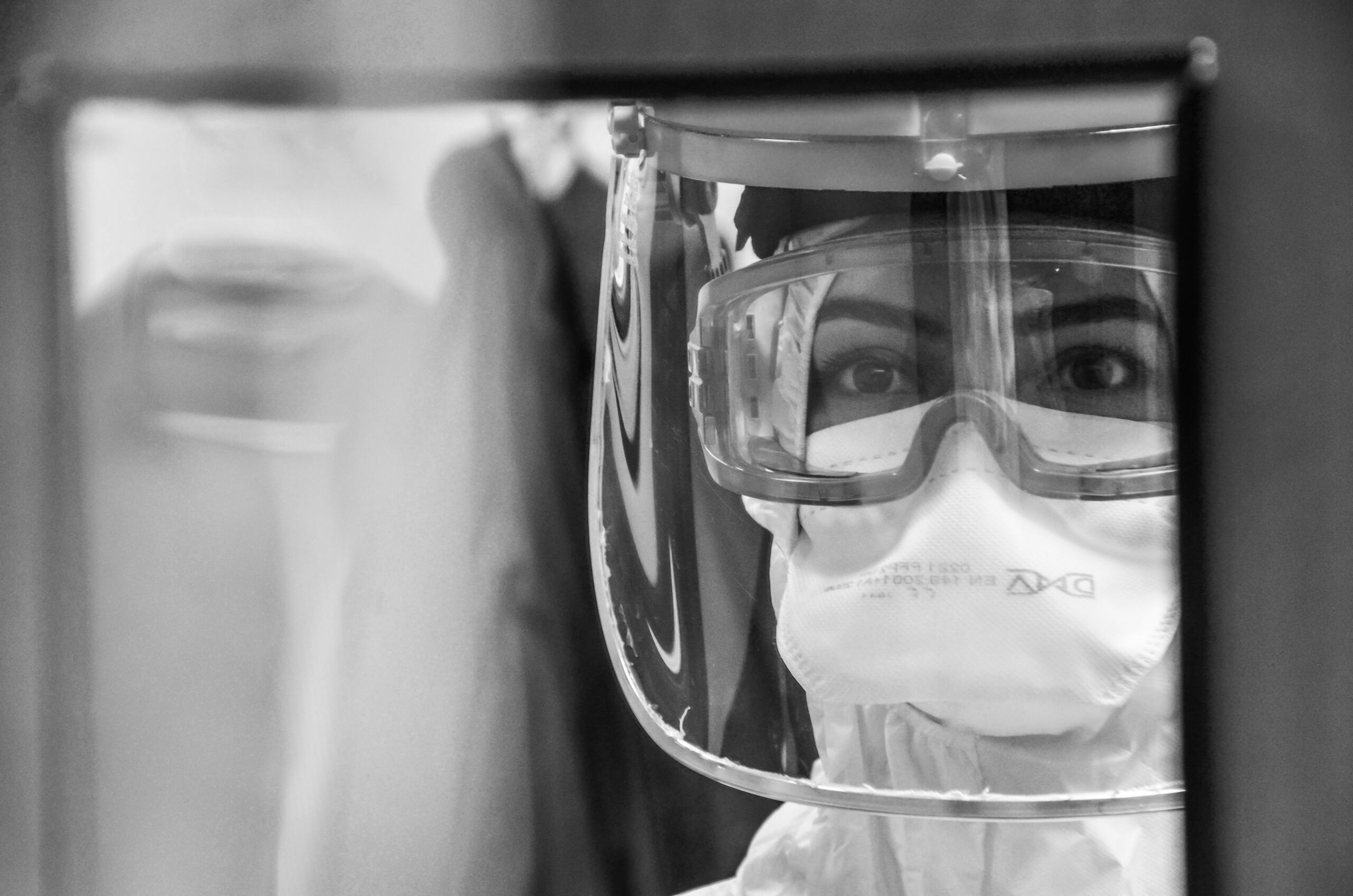
Hard hats, safety glasses, goggles, and face shields must remain secure, allow adequate visibility, and work together without creating gaps or pressure points.
Gloves and protective clothing
Workers need the correct size, material, and range of movement for the task. Fit should not interfere with grip, controls, mobility, or safe work practices.
Fall protection
Harnesses and other fall-protection components need to be selected, adjusted, inspected, and used according to the manufacturer’s instructions and the applicable fall-protection plan.
Respirators and compatible PPE
Respirators have additional medical-evaluation, fit-testing, and program requirements. Other PPE must not interfere with the seal, function, or safe use of respiratory protection.
A practical employer checklist
“One size fits all” is not a workable procurement or safety strategy. Use the following steps to turn the requirement into a repeatable workplace process.
Start with the hazard assessment
Identify the hazards associated with each task and select PPE that offers the required level of protection for the actual work being performed.
Stock a usable range of sizes and designs
Make appropriate sizes and compatible options available for the people who will use them. Do not assume that one model or size can protect every worker.
Check fit before work starts
Confirm that equipment can be adjusted securely, permits safe movement, does not obstruct vision or controls, and remains compatible with other required PPE.
Train employees to use and report problems
Workers should know how to inspect, adjust, wear, care for, and replace PPE—and how to report equipment that does not fit or no longer protects adequately.
Review after conditions change
Reassess PPE when tasks, hazards, equipment, workforce needs, or manufacturer instructions change. Replace damaged, worn, or unsuitable items promptly.
Proper fit applies to every affected employee
The requirement is not limited to any one group of workers. It is particularly important where workers may previously have been offered only a narrow range of sizes or equipment designed around a limited set of body types. Employers should focus on whether the selected PPE protects the individual employee, allows them to work safely, and meets the needs of the task.
Remember: properly fitting PPE is only one layer of protection. Employers should first use feasible engineering and work-practice controls to reduce exposure, then select PPE for any remaining hazards.
Build stronger site awareness
Make PPE part of everyday construction safety
PPE selection and fit should be reinforced through site orientation, supervisor oversight, equipment-specific instruction, and task planning. Broader construction safety education can help workers and supervisors recognize when protective equipment is needed and how it fits into an effective safety program.